2026 Home Office Flooring: Quiet, Durable Options for Hybrid Work
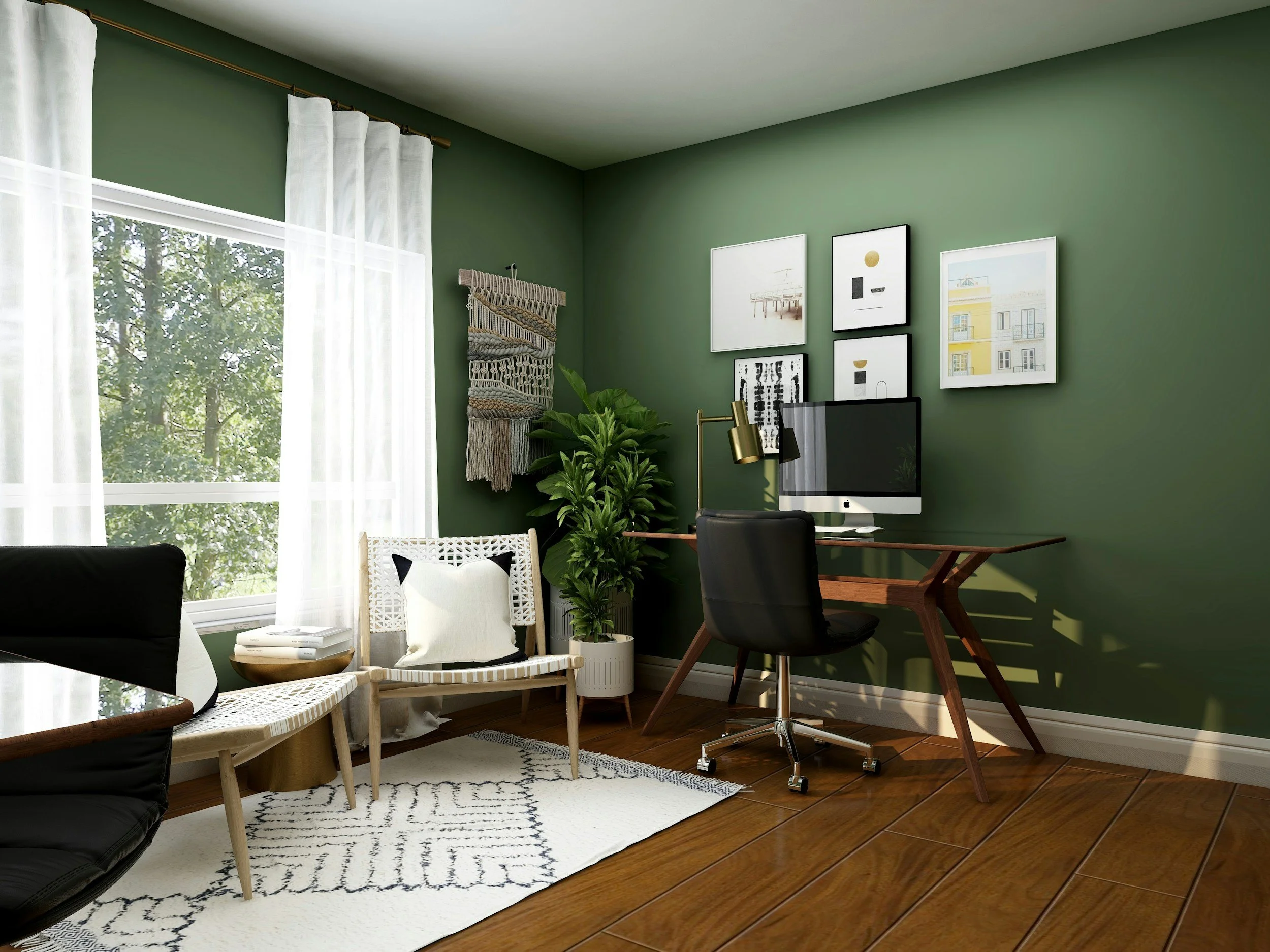
2026 home office flooring choices have become a practical necessity as hybrid work reshapes how Illinois residents use their homes. Millions of professionals now split time between remote and in-office work, and the home workspace must support focus, comfort, and long hours without disruption. Flooring plays a larger role than many people realize. It affects noise transfer, chair mobility, physical strain, and even temperature comfort throughout the year.
In the Chicagoland area, these factors matter more than in many regions. Cold winters amplify floor chill and sound travel, while humid summers test material stability. Many homes also feature older subfloors that transmit footsteps, rolling chairs, and vibration through walls and ceilings. Choosing flooring for a home office is a functional upgrade tied directly to productivity and well-being.
The right flooring can reduce distractions, prevent fatigue, and create a workspace that feels intentional rather than improvised. Poor flooring choices, on the other hand, lead to echo, uneven rolling, visible wear, and discomfort that compounds over time. As hybrid work becomes permanent for many households, Illinois homeowners increasingly view home office flooring as a long-term investment rather than a temporary fix.
Understanding which materials perform best under daily use helps homeowners avoid costly mistakes and unnecessary replacements. In 2026, the strongest home office flooring solutions balance quiet performance, durability, and ease of maintenance while fitting naturally into the home.
Flooring Materials That Support Focus and Daily Comfort
The floor beneath a home office desk directly shapes the workday experience. Hard surfaces amplify sound, cold materials sap comfort in winter, and soft surfaces that lack durability wear quickly under rolling chairs. Effective 2026 home office flooring solves these issues without sacrificing appearance.
Luxury vinyl plank continues to gain traction because it performs well in real-world use. It resists chair dents, tolerates spills, and maintains stability through Illinois temperature swings. Modern LVP also offers realistic wood visuals that look professional on video calls while remaining low-maintenance.
Carpet and carpet tile still serve an important role in noise control. Soft surfaces absorb echoes and footfall better than hard flooring, making them ideal for second-floor offices or shared households. Carpet tiles offer flexibility, allowing homeowners to replace individual sections rather than entire rooms.
Engineered hardwood appeals to homeowners who want a polished look without the risks of solid wood. Its layered construction reduces movement from humidity changes and performs better over basements or older subfloors common in Chicagoland homes.
Cork and natural linoleum offer quieter, softer alternatives with strong sustainability credentials. These materials cushion underfoot and dampen sound, which helps during long workdays. SPC and WPC composite floors round out the options by providing waterproof durability in basements and exterior wall rooms.
Quiet Performance and Durability for Hybrid Workspaces
Noise remains one of the biggest productivity challenges in home offices. Flooring affects how sound travels within a room and throughout the house. In 2026, homeowners increasingly prioritize materials that limit echo, vibration, and impact noise.
Luxury vinyl and composite floors perform well when paired with acoustic underlayment. This combination reduces sound transfer while preserving smooth chair movement. Wide planks with matte finishes hide wear and reduce visual distractions without constant upkeep.
Carpet excels at sound absorption, especially in rooms used for frequent calls or video meetings. Today’s stain-resistant fibers and low-profile constructions avoid the maintenance problems of older carpet styles. Carpet tiles offer greater durability because damaged areas can be replaced without disrupting the rest of the carpet.
Engineered wood also contributes to acoustic control when installed correctly. Floating systems with proper underlayment minimize hollow sounds that plague older hardwood installations. This matters for homes in Illinois with uneven subfloors or shared walls.
Durability extends beyond surface wear. Hybrid workspaces see daily rolling, shifting furniture, and repeated foot traffic. Flooring must resist scuffs, compression, and finish breakdown. Materials designed for residential offices now reflect lessons learned from commercial environments, offering stronger wear layers and improved finishes.
In 2026, quiet performance and durability go hand in hand. Flooring that reduces noise while withstanding daily use supports consistent focus and long-term value.
Installation and Design Choices That Protect Long-Term Value
Even the best flooring fails when installation falls short. Proper preparation determines whether the 2026 home office flooring performs well or develops problems quickly. Subfloor evaluation remains critical, especially in older Illinois homes.
Basement and slab installations require moisture testing and vapor control. Skipping these steps leads to buckling, adhesive failure, and premature wear. Upper-level offices benefit from acoustic underlayment that reduces sound transfer between floors.
Expansion gaps matter more than many homeowners expect. Seasonal movement in Illinois causes materials to expand and contract, and tight installations can lead to squeaks, gaps, or surface distortion. Professional installation ensures these allowances remain intact.
Design choices also affect longevity. Matte and lightly textured finishes hide scratches better than glossy surfaces. Warm neutrals such as honey oak, soft beige, and greige remain popular because they integrate easily with existing décor. Wide planks visually enlarge small rooms, while subtle patterns add interest without overwhelming a workspace.
Rugs and chair mats provide targeted protection in high-use zones, extending floor life without compromising aesthetics. Maintenance routines should match usage, not calendar schedules. Regular vacuuming, prompt spill cleanup, and finish-safe products prevent cumulative damage. Thoughtful installation and design decisions help home office flooring perform reliably through years of hybrid work.
Flooring as a Foundation for Sustainable Remote Work
Home offices are no longer temporary setups. In 2026, they function as permanent work environments that must support comfort, focus, and durability every day. Flooring influences how a space feels, sounds, and performs under sustained use.
Quiet materials reduce interruptions. Durable surfaces prevent premature replacement. Proper installation protects against seasonal movement and moisture issues common in Illinois homes. Together, these factors create a workspace that supports productivity without constant maintenance.
As hybrid work continues to shape household routines, homeowners increasingly view flooring as part of their long-term work strategy rather than a cosmetic upgrade. Choosing the right materials today reduces disruption, protects resale value, and improves daily comfort.
If you are evaluating options for a dedicated home workspace, our Des Plaines, Illinois team can help. To find the right office flooring for your 2026 living and working needs, contact the Chicagoland specialists at Scharm Floor Covering.