
Summer Flooring Care: Protecting Your Floors From Heat, Humidity & Sun
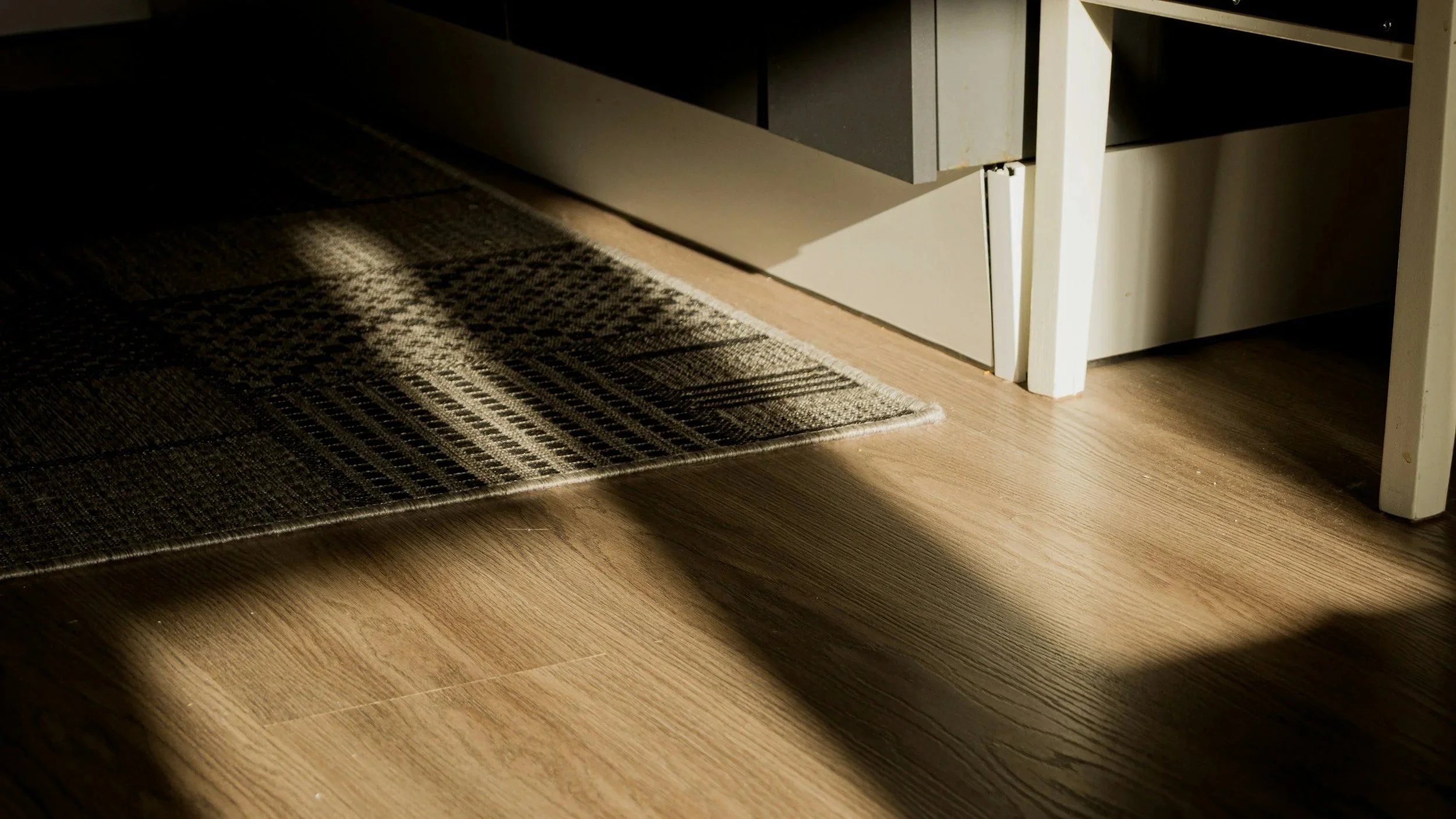
Summer flooring care looks different than the rest of the year. Rising humidity, pool days, sandy shoes, and long hours of direct sunlight all put extra stress on your floors, whether you have hardwood, carpet, tile, or luxury vinyl underfoot.
Wood floors expand as humidity climbs. Carpets and rugs face months of intense UV exposure. And every trip in from the backyard or pool tracks in moisture and grit that wear floors down faster than usual. None of this means your floors are destined for damage. It just means summer calls for a slightly different care routine.
The good news is that most of these risks are easy to manage once you know what to watch for. A few adjustments to humidity control, cleaning habits, and sun protection can keep your floors looking their best all season long, no matter what they're made of.
Here's what the research says about protecting your floors this summer, and how to put it into practice at home.
Keep Indoor Humidity in Check
Summer humidity is the biggest threat most floors face this time of year. According to the EPA, indoor humidity should stay between 30 and 50 percent to protect your home and discourage mold growth. Once relative humidity climbs above 60 percent, conditions become favorable for mold, which can affect flooring, subfloors, and indoor air quality alike.
For wood floors specifically, humidity control matters even more. The National Wood Flooring Association recommends keeping indoor temperatures between 60 and 80 degrees Fahrenheit and humidity between 30 and 50 percent. Wood is a natural material that absorbs and releases moisture based on the surrounding air, so consistency matters more than hitting an exact number.
Your air conditioner already removes some moisture from the air, but it may not be enough in humid climates or lower-level spaces like basements. A standalone dehumidifier can help maintain steady levels in those areas. Running bathroom and kitchen exhaust fans after showers and cooking also helps push excess moisture outside before it settles into your floors.
A simple hygrometer, available at most hardware stores, makes it easy to monitor humidity and catch problems before they affect your floors.
Protect Floors From Pool Days and Backyard Traffic
Summer brings its own set of challenges beyond humidity. The National Wood Flooring Association notes that while winter brings snow and salt, summer adds chlorine and saltwater to the list of things your floors have to handle.
Pool chemicals, sunscreen, and salt water can all affect a floor's finish if left to sit. The fix is simple: wipe up spills with a dry or slightly damp cloth as soon as they happen. Avoid wet mops or steam mops, which the NWFA warns can cause more damage over time by forcing moisture into the wood.
A no-wet-shoes rule goes a long way during pool season, especially for households with kids running in and out all day. Sand and grit act like sandpaper on any flooring surface, so sweeping or dusting daily helps prevent scratches before they start. Weekly vacuuming picks up what sweeping misses.
Furniture pads remain one of the simplest ways to prevent scratches year-round, particularly as households move patio furniture and pool gear in and out more often during summer.
Guard Against Sun Fading
Long summer days mean more hours of direct sunlight streaming through your windows, and that sunlight can fade carpets, rugs, and even hardwood over time. According to Floor Covering News, UV exposure is one of the leading causes of fading in carpets and rugs, especially in rooms that get direct sun for much of the day.
A few simple habits make a real difference. Keeping carpets and rugs away from direct sunlight, rather than right against a window, significantly reduces UV exposure. Closing curtains or blinds during peak sun hours, especially while you're away at work, protects floors without requiring you to live in the dark.
UV-blocking window film offers an additional layer of protection and typically remains unnoticeable once installed. For area rugs, rotating them periodically evens out sun exposure and prevents a visible fade line from forming along the edges.
These same principles apply to hardwood and luxury vinyl flooring, which can also lighten or discolor with prolonged sun exposure. A little planning around your windows and window treatments protects your flooring investment through every sunny season, not just this one.
Enjoy Summer Without the Flooring Worries
Summer flooring care comes down to a few consistent habits: managing humidity, cleaning up spills and messes quickly, and protecting your floors from direct sunlight. None of these steps require major changes to your routine, just a little extra attention during the season when your home sees the most activity.
Whether you have hardwood, carpet, tile, or luxury vinyl, these same principles apply. Keep humidity steady, wipe up spills before they set in, and give your floors a break from constant sun exposure. Small, consistent habits protect your flooring far more effectively than occasional deep cleans or repairs after damage has already happened.
Following guidance from organizations like the EPA and the National Wood Flooring Association gives you a reliable foundation for care, no matter what type of flooring you have at home. A little prevention this summer goes a long way toward keeping your floors looking their best for years to come.
Have questions about how to care for your specific flooring this summer? Contact the Chicagoland flooring specialists at Scharm Floor Covering.