
Solid Hardwood Floor Acclimatization: Why Temperature & Humidity Matter
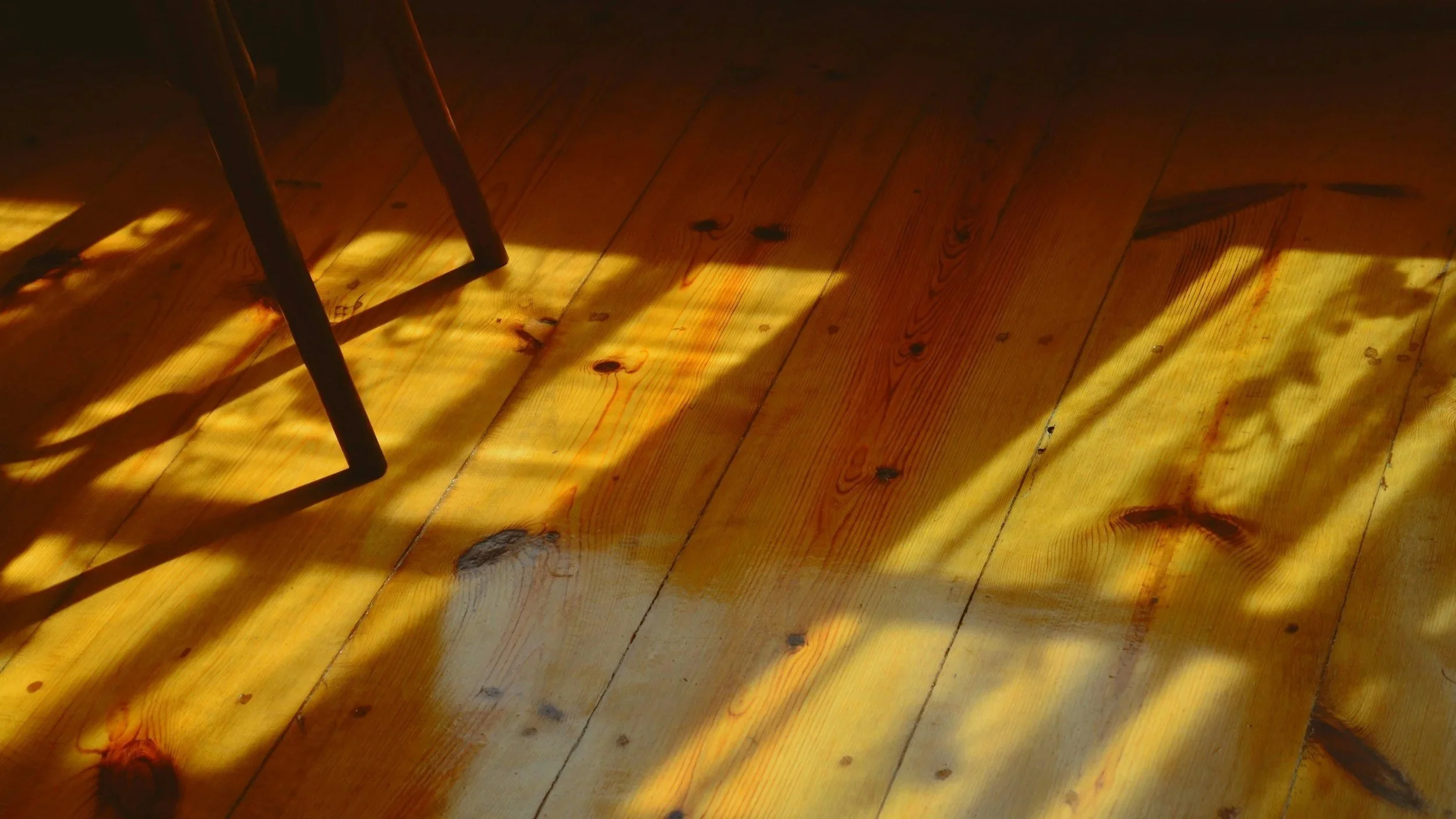
A thorough, solid hardwood floor acclimatization process is the foundation of any successful flooring project in the Chicago Northwest Suburbs. Natural timber possesses an organic cellular structure that continuously interacts with the surrounding atmosphere, absorbing or releasing moisture.
When raw wood planks are moved from a storage facility to a residential environment, the material must adapt to that home's specific climate. Neglecting this crucial transitional phase often introduces severe structural complications that can ruin an expensive investment within weeks of installation. The primary goal of this adjustment period is to allow the planks to reach their equilibrium moisture content with the living space. Achieving this balance stabilizes the dimensions of each board, ensuring that the final surface remains flat and uniform over time.
Homeowners who rush the installation timeline frequently face the consequences of premature structural shifting. Proactive preparation allows the wood to settle naturally, creating a resilient surface that beautifully accommodates the changing seasons. Taking time for this hidden step is the best way to guarantee a lifetime of performance.
The Science of Hardwood Expansion and Contraction
The underlying necessity for solid hardwood floor aclimation lies in how relative humidity and temperature dictate the physical size of timber. Wood is a hygroscopic material, meaning it expands when atmospheric moisture rises and contracts when the indoor air dries out. Failing to account for these environmental variables leads directly to board edge cupping, gaping, or dramatic crowning. When unacclimated wood is nailed down tightly, the pressure from subsequent expansion can cause the planks to buckle upward from the subfloor.
If dry wood absorbs ambient humidity after installation, it exerts immense pressure on neighboring boards. The ideal indoor environment requires a stable temperature between 60 and 80 degrees Fahrenheit to prevent extreme fluctuations. Relative humidity should also remain within a consistent range of 30 to 50 percent throughout the process. Monitoring these metrics ensures that the timber acclimates under the exact conditions the home experiences during daily occupancy. Ignoring these physical laws invites costly structural failures that are difficult to correct.
Best Practices for Stacking and Air Distribution
Proper hardwood floor acclimatization involves more than simply dropping boxes of lumber into a vacant room. Planks must be removed from their sealed shipping plastic and stacked in a cross-grain pattern to facilitate uniform air circulation. Utilizing small wood spacers, known in the trade as stickers, between layers allows the ambient air to reach every surface of the timber evenly. Leaving lumber inside sealed cardboard containers merely delays the process and prevents the inner boards from adjusting.
The stacking area must be clean, dry, and situated away from direct sunlight or active heating vents that could cause uneven drying. Furthermore, all wet trades, including drywall plastering and painting, must be finished and cured before the wood is installed in the space. Introducing hundreds of square feet of raw wood to a room filled with wet paint or drying concrete alters the humidity levels and disrupts the stabilization process. Proper cross-stacking ensures that each plank reaches the same moisture baseline before fastening.
Testing Solid Hardwood Stability With Professional Moisture Meters
Determining when a solid hardwood floor’s acclimatization period is complete requires objective measurement rather than relying on a specific number of days. While a minimum of five to seven days is standard for domestic species, the definitive test is to use a professional-grade moisture meter. Installers must test the moisture content of multiple planks from various packages to calculate an accurate average reading. This data helps contractors choose the ideal hardwood flooring installation techniques for the specific subfloor material.
The average moisture level of the planks should always align closely with the subfloor before fastening begins. For solid planks less than three inches wide, the moisture content variance must stay within four percentage points. Wider planks require an even tighter tolerance of no more than two percentage points to ensure lasting structural integrity. Testing should occur daily, and the process is complete only when the readings level off over consecutive days. This analytical approach removes the guesswork from the schedule and protects the home from future movement.
Contact Scharm for Questions About Solid Hardwood Floor Acclimatization
Navigating the unique climate shifts in Chicagoland is best handled with a trusted local installation partner. Scharm Floor Covering provides the specialized knowledge necessary to successfully handle solid hardwood floor acclimatization across seasonal extremes. Our local winters bring dry, heated indoor conditions, while summers introduce heavy lakefront humidity that strains natural materials. The expert team understands how these distinct regional cycles affect different wood species, from traditional oak to exotic hardwoods.
By managing every environmental variable before the first nail is driven, the showroom delivers a flawless, lasting result for every client. Our dedication to precise preparation prevents the structural hazards of cupping and gapping in local homes. We utilize advanced testing equipment and proven stacking techniques to ensure your chosen material is perfectly balanced for its specific environment. To secure a beautiful, long-lasting surface that stands up to the Illinois climate, contact the Chicagoland specialists at Scharm Floor Covering.